Marble vs Granite Flooring: Which Suits Your Home?
Your lifestyle and living space will determine whether you should install granite or marble flooring in your Dubai home: granite works best in kitchens and family areas where longevity and ease of upkeep are important, whereas marble works well in opulent, low-traffic places like formal living rooms and master bedrooms.
Although both natural stones improve indoor esthetics and property values, their geological formation produces very different performance profiles in actual residential settings. To assist you in making an informed choice for your house, this guide compares marble and granite in terms of longevity, pricing, upkeep, heat resistance, and optimum room applications. Homeowners planning a renovation can also work with experienced Dubai flooring and stone installation specialists to get precise substrate leveling and seam alignment done right the first time.
Table of Contents
Key Takeaways
- Durability Winner: Granite (Mohs hardness 6–7) vs Marble (Mohs 3–4) — granite resists scratches and acid etching.
- Cost Comparison: Granite AED 160–650/sq.m; Marble AED 220–950+/sq.m — granite is more budget-friendly.
- Maintenance: Granite resealed every 18–24 months; Marble every 6–12 months — marble requires more care.
- Best Rooms: Marble for formal living rooms, foyers, bedrooms; Granite for kitchens, entryways, high-traffic areas.
- Heat Resistance: Granite tolerates 250°C+; Marble up to 150°C — granite superior for kitchen heat exposure.
- Resale Value: Marble adds luxury equity; Granite adds practical family-home value.
What Are the Key Appearance and Style Differences Between Marble and Granite?
The primary aesthetic difference between marble and granite lies in their patterning and surface texture: marble features soft, fluid veining across a creamy, smooth backdrop, whereas granite displays a granular, speckled crystalline structure with multi-tonal flecks. Marble delivers a classic, luminous elegance, while granite provides a bold, contemporary depth.
Geological Origin and Visual Character
- Marble (Metamorphic Rock): Formed when sedimentary limestone undergoes extreme pressure and heat within the Earth’s crust. This recrystallization process introduces mineral impurities — such as iron oxides, silt, and clay — producing signature, organic “veins.” High-calcite stones like Calacatta, Statuario, and Crema Marfil reflect ambient daylight, creating an open, airy feeling in large architectural spaces.
- Granite (Igneous Rock): Formed by the slow cooling and crystallization of subterranean magma rich in quartz, feldspar, and mica. The resulting interlocking grain yields high dimensional visual depth. Classic varieties like Absolute Black, Kashmir White, and Tan Brown introduce distinctive contrast and textured dimension to modern interior schemes.
How Do Marble and Granite Compare in Durability, Maintenance, Cost, and Heat Resistance?
Granite is better for areas with high usage since it is more resistant to scratches, acids, and loads than marble. Marble, on the other hand, has cooler ambient surface temperatures and eternal grandeur, but it is more prone to acidic etching and requires more expert maintenance. These trade-offs are demonstrated by the basic variations between average UAE installation budgets and technical performance benchmarks:
Table 1: Marble vs Granite — Technical & Cost Benchmarks
| Metric / Parameter | Marble Flooring | Granite Flooring | Key Advantage |
|---|---|---|---|
| Mohs Mineral Hardness | 3 to 4 (Soft to Moderate) | 6 to 7 (Very Hard) | Granite (Resists scratching) |
| Porosity Rate | 0.5% to 2.0% (Moderately Porous) | 0.1% to 0.5% (Dense / Low) | Granite (Resists stains) |
| Material Cost (per sq. m) | 220 AED – 950+ AED ($60 – $260+ USD) | 160 AED – 650 AED ($44 – $177 USD) | Granite (More budget-friendly) |
| Installation Cost (per sq. m) | 110 AED – 220 AED ($30 – $60 USD) | 130 AED – 240 AED ($35 – $65 USD) | Marble (Slightly easier to cut) |
| Heat Resistance | Up to 150°C (Sensitive to thermal shock) | Up to 250°C+ (Exceptional tolerance) | Granite (Superior heat stability) |
| Acid & Chemical Sensitivity | High (Etches easily from citrus/vinegar) | Very Low (Unaffected by household acids) | Granite (Chemically inert) |
| Resale ROI in Dubai | Exceptional in luxury communities | High in family & rental properties | Marble (Adds maximum luxury equity) |
Source & Benchmarks: Data compiled in accordance with standard geological indices and certified stone fabricator metrics referenced via the Building Stone Institute / Natural Stone Institute.
1. Durability & Scratch Resistance
Granite is the winner for durability. Granite is rated 6–7 on the Mohs Scale of Hardness, one of the hardest natural stones available for household flooring. The durability of granite is impressive, allowing it to resist scratches from foot traffic, moving furniture, and fallen utensils — common dangers in Dubai households.
Marble, however, is just 3–4 on the Mohs scale, which is “soft to moderate.” That means marble surfaces can get micro-scratched from ordinary activities like strolling in outdoor shoes or pulling kitchen stools. Marble may wear down in high-activity areas within 3–5 years, but granite will hold its surface integrity for 10–15+ years.
2. Stain & Chemical Resistance
The more porous the stone is (the more liquid it absorbs), the more susceptible it is to stains. Granite has a porosity of just 0.1–0.5% and repels liquids before they soak in. This low porosity means granite is essentially immune to discoloration from things like coffee, wine or cooking oils that are often spilled in the kitchen.
Real-world impact: A spill of tomato sauce or a splash of acidic wine in a marble kitchen will leave a permanent trace on the floor if not cleaned up right after. With granite, spills wipe off with nothing left behind, no damage.
3. Maintenance Requirements
Granite and marble need different care:
Granite Care:
- Sealing frequency: 18–24 months (or even less frequently for dark, thick granites such as Nero Assoluto).
- Daily Cleaning: Dust mop using a microfiber dust mop daily. Wet mop 2–3 times weekly with light detergent.
- Ongoing expenditures: Minimal sealing costs of AED 20–40 per sq. m. per year.
- Extra care: No extra considerations; can use most household cleansers (avoid strongly acid or alkaline items).
- Restoration: Professional polishing every 5–7 years (optional, not critical).
Marble Care:
- Sealing frequency: 6–12 months (more frequently than granite).
- Daily Cleaning: Microfiber dusting daily; pH-neutral wet mop 2–3 times per week with specialized stone cleaner.
- Cost of ongoing maintenance: Higher sealing costs: AED 50–80 per sq.m plus specialized cleansers (AED 100–150 each bottle).
- Special care: Quick spill management is needed; acidic meals and drinks must be wiped up within minutes.
- Restoration: Professional polish every 2–4 years (usually to eliminate etching).
Maintenance example in the real world:
- Kitchen granite: Dust daily, wash weekly with mild detergent. Annual seal.
- Marble kitchen: Dust with microfiber daily, wet mop with pH-neutral cleaner 2–3 times a week, wipe spills immediately, reseal every 6 months, professional honing every 2–3 years.
4. Heat Resistance
Dubai’s severe indoor temperatures from air conditioning and proximity to kitchen heat sources mean heat resistance is vital.
- Granite Heat Tolerance: 250°C+ without harm. Granite can resist the direct heat of hot pans, cooktop splatters and even a kettle without cracking or discolouration. This makes granite a good choice for kitchen islands next to stovetops or dining tables where hot dishes will sit.
- Marble Heat Resistance: Up to 150°C, vulnerable to thermal shock (sudden temperature swings). Hot pots on marble might cause slight cracking or discolouration. Thermal shock is another hazard — placing a cold glass on heated marble can cause stress fractures or surface crazing.
Real life example: A granite kitchen surface can securely hold a hot cast-iron pan straight from the stovetop. If you have marble, the same problem applies — you need a heat-resistant trivet or coaster to protect the marble from being damaged.
Budget Expectations — Granite Flooring Cost in Dubai: The average cost of granite flooring in Dubai, including standard slab supply, leveling, diamond-pad setting, and edge finishing, is between 290 and 890 AED ($79 and $242 USD) per square meter. For custom residential estates, ultra-premium, book-matched Italian marble installations can cost more than 1,200 AED ($327 USD) per square meter.
Which Rooms Are Best Suited for Marble vs Granite Flooring?
For formal living rooms, master bathrooms, grand entry foyers, and major bedroom suites where esthetic luxury is more important than impact exposure, marble is perfect. Granite, on the other hand, works best in high-traffic kitchens, family hallways, outdoor patios, and utility areas where heavy appliances, spills, and foot activity call for the highest level of scratch and stain resistance.
Strategic Room Allocation
- The Entry Foyer & Formal Majlis (Marble): First impressions define the entire home. Large-format, polished marble slabs in the entryway reflect chandeliers and floor-to-ceiling glass daylighting, generating an immediate sense of grandeur.
- The Chef’s Kitchen & Utility Rooms (Granite): Kitchen floors regularly encounter dropped utensils, cooking oils, tomato sauces, and acidic liquids. Granite’s high quartz matrix prevents the immediate chemical etching common on calcite-based marble.
- Suites & Spas (Marble or Honed Granite): While polished marble delivers five-star hotel luxury underfoot, homeowners often select honed marble or textured granite finishes to balance elegance with wet-area slip resistance.
- Balconies and Terraces (Granite): Dubai’s ambient summer sun and airborne dust can gradually dull softer calcitic surfaces. Flamed or bush-hammered granite stands up to high UV exposure without losing its color integrity.
Homeowners planning turnkey spatial transformations or upgrading their properties frequently engage professional marble and granite flooring services in Dubai to ensure precise substrate leveling, uncoupling membrane installation, and precision diamond-seam alignment.
What Are the Essential Maintenance Requirements for Natural Stone Flooring?
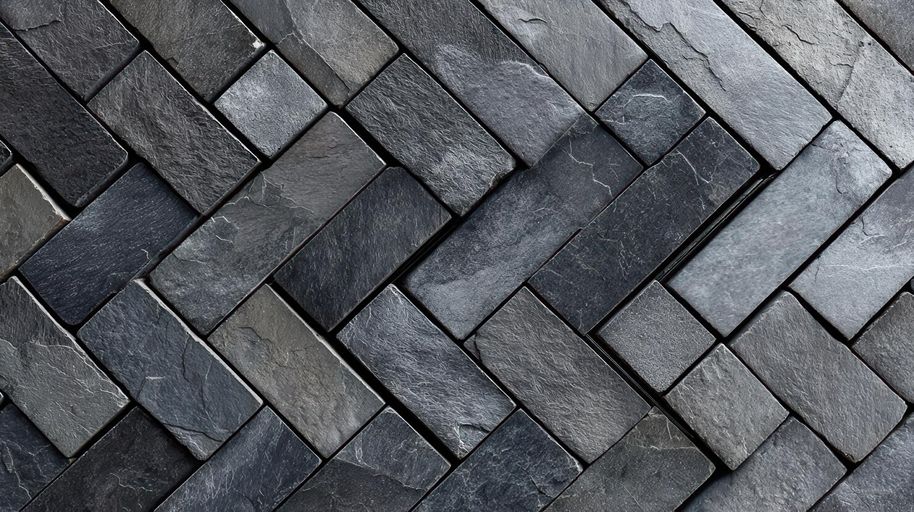
Maintaining natural stone floors requires a structured regimen of pH-neutral daily cleaning, periodic penetrating sealing to prevent deep liquid absorption, and periodic diamond honing to restore surface luster. Marble demands more frequent sealing and immediate spill management than granite.
1. Sealing Cycles
Applying a breathable, penetrating (impregnating) sealer is essential to stop liquid penetration since natural stone has tiny capillaries:
- Marble: Depending on foot traffic and atmospheric moisture, re-sealing is necessary every six to twelve months.
- Granite: Needs to be resealed every 18 to 24 months; dark, extremely dense granites, such as Nero Assoluto, need to be sealed even less frequently.
2. Daily Cleaning Protocols
- Dry Dust Mopping: Under foot movement, the rough silica particles of desert sand (Mohs 7) behave like sandpaper. Micro-scratches on soft marble can be avoided by using an untreated microfiber dust mop every day (Mohs 3).
- Wet Mopping: Natural stone should never be cleaned with vinegar, bleach, ammonia, or common store-bought tile cleaners. To preserve the crystalline matrix of the stone, always use a specific pH-neutral (pH 7.0) recipe.
3. Professional Honing and Polishing
Over years of use, high-traffic corridors may develop traffic lanes or micro-abrasions. Specialized restoration teams use progressive diamond-grit resin pads (from 400 to 3000 grit) to remove worn top layers, followed by chemical crystallization powders to restore a factory-grade finish.
For residents managing upscale coastal properties, comprehensive renovation and maintenance services in Palm Jumeirah provide customized stone care designed to protect against marine humidity, ambient salt, and temperature fluctuations.
Table 2: Maintenance Task Comparison & Frequency
| Maintenance Task | Marble Flooring Protocol | Granite Flooring Protocol | Recommended Frequency |
|---|---|---|---|
| Microfiber Dusting | Mandatory daily (protects against silica) | Recommended daily | Daily |
| pH-Neutral Wet Mop | Diluted pH 7.0 stone wash | Standard mild floor detergent | 2–3 times per week |
| Impregnating Sealer | High-grade fluorochemical sealer | Standard silicone / fluoropolymer sealer | 6–12 mos (Marble) / 18–24 mos (Granite) |
| Etch & Scratch Repair | Polishing compound or diamond honing | Specialized diamond-paste buffing | As needed (Marble is more frequent) |
| Professional Polishing | Mechanical crystallization / buffing | High-speed orbital pad polishing | Every 2 to 4 years |
Source & Care Protocols: Standardized stone care procedures adapted from the Natural Stone Institute Stone Care Guide.
Frequently Asked Questions
Which is better for flooring: granite or marble?
While marble is superior for esthetic luxury, light reflection, and architectural grandeur, granite is typically better for durability, scratch resistance, and low maintenance lifetime. The best option depends on the space: marble works well in formal living rooms, majlis areas, and master bedroom suites, while granite is better for high-traffic kitchens, entryways, and family areas.
Is marble flooring prone to stains?
Yes, because marble is a porous stone made of calcium carbonate that reacts chemically with acidic materials, it does indeed discolor and etch quickly. If spills from lemon juice, vinegar, coffee, fragrances, or harsh detergents are not properly sealed and cleaned up right away, the surface polish will be destroyed in a matter of minutes, leaving dull lines (called etching) and irreversible discoloration.
How frequently should marble be sealed?
Every six to twelve months, marble flooring usually has to be sealed with a deep-penetrating, professional-grade impregnating sealer. While low-traffic bedrooms can retain sufficient barrier protection for up to 12 to 18 months in between treatments, high-traffic areas like corridors and restrooms might need to be treated every six months.
Which is more costly, granite or marble?
In terms of both initial cost and ongoing maintenance, marble is typically more costly than granite. In Dubai, basic granite slabs typically cost between 160 and 650 AED ($44 to $177 USD) per square meter, whereas premium marble slabs cost between 220 and over 950 AED ($60 to $260+ USD). Because marble requires more frequent sealing, cleaning, and restoration, its lifetime expenditures are also higher.