Why Does My AC Smell Bad in Dubai? Causes & Quick Fixes
An air conditioner smells bad in Dubai primarily because severe outdoor humidity mixes with indoor dust to create standing condensate, fostering rapid bacterial and fungal growth inside the indoor cooling apparatus. A musty scent indicates mold or mildew on the coils; a rotten egg odor signifies animal decay or sewer gas infiltration; an electrical burn signals wiring or capacitor strain.
Property occupants can safely clean pre-filters, flush drain lines with vinegar, and wipe exterior grills, but coil sanitization and electrical faults demand licensed technicians. Standard AC maintenance in Dubai ranges from AED 180 to AED 350 ($49 to $95) per unit, whereas complete duct sterilization and mold remediation exceed AED 1,200 to AED 2,500 ($326 to $680).
Table of Contents
Key Takeaways
- Immediate Diagnosis: A foul odor from an air conditioning system in Dubai typically points to stagnant water, bacterial accumulation, or biological growth inside the fan coil unit (FCU).
- Dominant Odor Profiles: A musty scent indicates mold or mildew on the coils; a rotten egg odor signifies animal decay or sewer gas infiltration; an electrical burn signals wiring or capacitor strain.
- The Environmental Factor: Dubai’s coastal humidity regularly exceeds 80%, forcing cooling coils to generate gallons of condensate daily that trap airborne dust and organic particles.
- DIY Boundaries: Property occupants can safely clean pre-filters, flush drain lines with vinegar, and wipe exterior grills; coil sanitization and electrical faults demand licensed technicians.
- Financial Metric: Standard AC maintenance in Dubai ranges from AED 180 to AED 350 ($49 to $95) per unit, whereas complete duct sterilization and mold remediation exceed AED 1,200 to AED 2,500 ($326 to $680).
Why Does My AC Smell Bad in Dubai?
An air conditioner smells bad in Dubai primarily because severe outdoor humidity mixes with indoor dust to create standing condensate, fostering rapid bacterial and fungal growth inside the indoor cooling apparatus.
When cooling systems run constantly against extreme desert temperatures, moisture condenses rapidly on the evaporator coils. If that moisture cannot drain away quickly or if dust coats the damp internal surfaces, biological colonies form within 24 to 48 hours. The fan blower then circulates those microbial byproducts throughout the enclosed living space every time the thermostat calls for cooling.
The Role of Extreme Heat and Coastal Humidity
Dubai’s summer climate features ambient temperatures surpassing 45°C paired with coastal relative humidity levels that frequently exceed 80%. This severe environmental combination places intense operational stress on residential air conditioning systems. As warm, moisture-laden air hits the chilled cooling coil (typically resting at 5°C to 7°C), rapid liquid phase change occurs. The system extracts substantial volumes of water from the air every hour. In standard climates, this water drains away before biological colonies take hold. In the Persian Gulf, however, the continuous thermal load means evaporator units stay continuously wet for five to six months without drying out. This perpetual moisture, combined with ambient warmth, turns the fan coil unit (FCU) into an active breeding ground for microbial spores.
How Sealed Apartment Environments Trap Odors
Residential architecture in urban centers like Downtown Dubai, Dubai Marina, and Business Bay relies on tightly sealed thermal envelopes to prevent hot desert air infiltration. While double-glazed facades and heavy weatherstripping keep interiors cool, they also dramatically restrict passive fresh air ventilation. Most high-rise towers rely on centralized fresh air handling units (FAHUs) to introduce treated outdoor air. If an FAHU operates under reduced capacity or if apartment dampers remain closed, the volume of recirculated air approaches 90% to 100%. Under these conditions, volatile organic compounds (VOCs), cooking vapors, cleaning chemical residues, and fungal mycotoxins become trapped in an endless indoor loop. The AC filters pull these concentrated airborne particles onto the damp coil surface, accelerating the cycle of bacterial decay and intensifying the foul odor.
District Cooling System Quirks in UAE High-Rises
A significant portion of Dubai’s residential infrastructure is serviced by centralized district cooling providers such as Tabreed or Empower. In these setups, chilled water circulates from a central plant into heat exchangers within each tower, then directs that chilled water to the fan coil units inside individual apartments. Unlike independent, ducted split systems where the user controls the condensing unit directly, district cooling systems depend entirely on constant chilled water flow valves (actuator valves) and balanced differential pressure. When an actuator valve develops internal scale, sticks partially open, or loses calibration, the evaporator coil cannot maintain an optimal temperature profile. The coil runs too cold or fails to cycle off, triggering excessive surface condensation or ice buildup. When that ice melts during off-cycles, it overwhelms the shallow drain tray, spilling water into hidden ceiling voids and generating persistent, sour structural odors.
Common AC Odors in Dubai and What Causes Them
The exact smell coming from your air conditioning vents signals the specific internal mechanical or biological failure occurring within the cooling system.
Air conditioning technicians categorize these scents by their underlying chemical and biological triggers. Identifying the scent profile allows you to apply the correct repair protocol without wasting time on ineffective surface remedies.
Musty or Vinegar Odor: Mildew on Evaporator Coils
A musty smell from an AC in Dubai indicates active mold, mildew, or fungal colonization across the aluminum fins of the evaporator coil or within the dark inner surfaces of the supply plenum. This issue is often referred to by technicians as “Dirty Sock Syndrome.” It occurs when common dust, which consists of shed human skin cells, fabric fibers, and microscopic desert silt, settles on a damp coil. Microorganisms consume these organic particulates and release volatile organic waste gases. If the scent resembles sour vinegar, the cause is typically acetic acid produced by specific bacterial strains digesting organic dust within an unwashed condensate tray. When the fan blows across these contaminated surfaces, the air coming from the supply registers carries that sour odor directly into the room.
Source: EPA’s mold guidance
Rotten Egg or Sulfur Smell: Decomposing Matter vs Gas
A rotten egg odor from an air conditioner indicates either a dead pest decaying inside the ductwork or sewer gas entering through an improperly plumbed condensate drain line. In freestanding villas in communities like Arabian Ranches, Jumeirah, or The Villa, small geckos, rodents, or birds can enter exposed outdoor duct joints or exhaust cowls. When an animal dies inside the dark, dry environment of a return air duct, its decomposition releases hydrogen sulfide and sulfur-based gases. The air handler’s high-velocity blower pulls these gases throughout the home within seconds. Alternatively, if your apartment features an AC drain pipe tied directly into the domestic gray-water drainage without a functioning trap, dry plumbing seals allow sewer methane to travel upward through the drain pipe, into the FCU cabinet, and out through the ceiling vents.
Burning or Chemical Scent: Motor Friction and Wiring Faults
A burning or sharp chemical smell from an air conditioner indicates overheating electrical insulation, a seized blower motor bearing, or a failing run capacitor. During prolonged peak-heat runs, internal components reach high operating temperatures. If the blower fan motor suffers from bearing wear or dust build-up, the motor pulls excessive electrical current (high amperage), superheating the motor windings. This cooks the surrounding plastic and protective lacquer, releasing a distinct ozone or melting plastic odor. Similarly, loose screw terminals on high-voltage relays within the control box can cause localized electrical arcing. Arcing burns through wire sheathing, creating an acrid, chemical scent that requires immediate system shutdown to prevent an electrical fire.
Sewage or Wastewater Smell: Dry P-Traps and Backdrafts
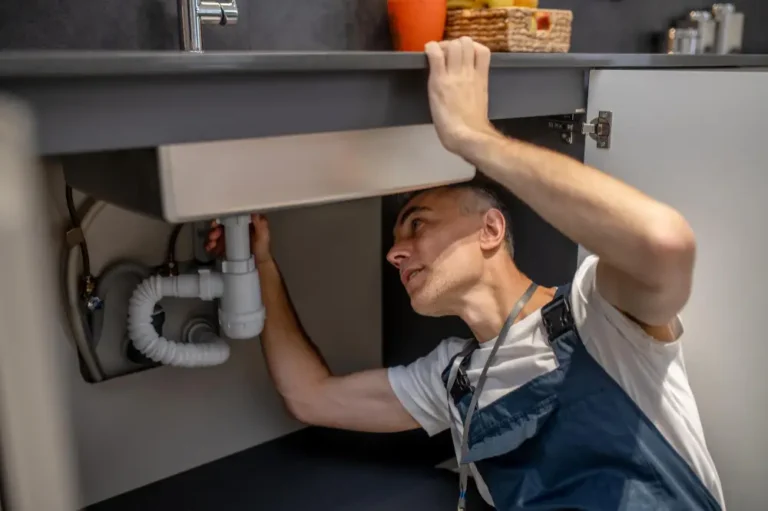
A sewage smell emitting from the AC vents indicates that the condensate line’s P-trap has evaporated, allowing raw drain pipe fumes to vent directly into the indoor air distribution cycle. Air conditioning condensate lines run downward toward domestic drain points, passing through a U-shaped pipe called a P-trap. The water resting in that bend forms a physical liquid seal that blocks sewer air from entering the negative-pressure zone of the AC cabinet. During seasonal transitions in the UAE, or when an apartment sits unoccupied for weeks, the standing water inside that shallow trap evaporates under ambient desert warmth. With the liquid seal gone, the suction generated by the return air fan pulls sewer gases directly from the building’s plumbing stacks into the air stream.
AC Odor Diagnosis and Action Guide
Diagnosing an air conditioning scent accurately requires matching the odor profile with its structural point of origin and correct technical remedy.
The table below outlines common AC odors in UAE properties, detailing their root causes, risk classifications, and standard remediation steps.
Table 1: Odor Diagnosis Guide
| Odor Profile | Primary Root Cause | Risk Level | DIY Feasibility | Professional Action |
|---|---|---|---|---|
| Musty / Dirty Socks | Mold/mildew on cooling coils & insulation | Moderate (Irritant) | High (Filters) | Deep chemical coil wash |
| Rotten Eggs / Sulfur | Dead pest in duct or breached sewer trap | Critical (Toxins) | Low | Carcass removal, replumbing |
| Pungent Vinegar | Acetic bacterial bloom in drain tray | Low / Moderate | High (Vinegar flush) | Tray alignment, vacuuming |
| Burning Plastic | Overheated wiring or failing capacitor | Critical (Fire hazard) | Zero (Do not try) | Motor swap, electrical test |
| Raw Sewage | Evaporated P-trap or direct sewer tie-in | High (Methane) | Moderate (Trap refill) | Anti-siphon valve retrofit |
| Chemical / Acetone | Refrigerant gas leak in copper tubing | High (Exposure) | Zero (Do not try) | Pressure test, brazing, recharge |
Source: ASHRAE Residential Indoor Air Quality (IAQ) Guide
Regular professional maintenance can help detect clogged drains, accumulated dust, and other problems.
Step-by-Step DIY Solutions to Eliminate AC Bad Odor
Eliminating persistent odors from your cooling system involves basic maintenance steps that clear away early-stage biological growth from serviceable components.
Step 1: Deep Filter Washing and Disinfection
Washing and sanitizing your AC pre-filters every two to three weeks removes the organic dust bed that feeds mold and bacteria in coastal desert environments:
- Unclip the plastic access hatch or remove the decorative grill screws beneath the ceiling-mounted FCU or split unit facade.
- Slide the mesh filters out from their retaining tracks, handling them gently to avoid scattering dry dust into your living space.
- Take the filters into a washroom and rinse them thoroughly using low-pressure warm tap water directed from the clean side through to the dirty side.
- Apply a mild anti-bacterial liquid dish soap or a dedicated non-corrosive coil cleaner using a soft-bristle nylon brush. Gently scrub away the stubborn, grease-bound dust films caused by indoor cooking and ambient pollution.
- Rinse the mesh thoroughly until the runoff water is clear.
- Prop the filters up in an airy, shaded space until they dry completely. Reinstalling wet filters into an enclosed AC chamber triggers rapid mold growth, worsening the odors you are trying to eliminate.
Step 2: Clearing and Flushing the AC Drain Line
Flushing the AC drain line with distilled white vinegar dissolves soft algal sludge, clears out particulate blocks, and restores the liquid seal inside the P-trap. Over several months of operation, condensation pans accumulate airborne dust, converting clear drain water into a gelatinous microbial slime known as zoogleal film. To clean it:
- Locate the PVC condensate drain line access point, which typically appears as an open vertical pipe stub or T-junction next to your indoor ceiling unit.
- Attach a wet/dry shop vacuum to the drain line’s termination point outside your home or in the bathroom service shaft, running the suction for two minutes to pull out impacted sludge.
- Pour two cups of warm, distilled white vinegar (5% to 8% acetic acid concentration) slowly into the drain line access port using a small funnel. Avoid harsh chemical drain lye or caustic commercial bathroom uncloggers, as these generate exothermic heat that can melt thin PVC pipes or damage the structural plastic drain tray.
- Let the vinegar sit undisturbed in the trap for 45 to 60 minutes to break down the microbial film.
- Flush the line with one liter of clean, warm water to confirm unobstructed flow.
Step 3: Surface Decontamination of the Supply Vents
Wiping down exterior supply grills and diffuser louvers stops surface mildew from releasing spores back into your indoor air. Air register louvers often suffer from condensation sweating when chilled metal comes into contact with humid room air. This surface moisture attracts floating dust, forming black spots around the vent openings. Dampen a clean microfiber cloth with a 1:1 solution of warm water and isopropyl alcohol or an unscented quaternary ammonium disinfectant spray. Thoroughly wipe down both sides of each diffuser louver, reaching into the initial three inches of the sheet metal duct collar. Avoid using bleach-based products, as chlorine oxidizes aluminum grills and leaves behind irritating airborne fumes that linger for days.
Source: EPA Air Cleaners and Air Filters Guide
Professional HVAC Solutions vs DIY Repairs
Professional HVAC servicing is required when microbial contamination penetrates beyond the surface filters into the internal coils, blower wheels, and concealed ductwork.
While simple filter washing is a straightforward maintenance task, the complex layout of ducted split and district cooling systems in Dubai often conceals contamination behind drywall ceilings. Attempting deep repairs without proper tools risks damaging delicate aluminum fins, cracking ceiling gypsum, or short-circuiting expensive control boards.
Source: NADCA ACR Standard
When Mold Infiltration Exceeds Basic Washing
Deep mold growth requires professional mechanical intervention when fungal hyphae penetrate the porous internal acoustic insulation lining the plenum box and blower compartment. Standard residential ceiling units use internal fiberglass insulation to absorb sound and prevent outer cabinet condensation. Over five to seven years of operation in high-humidity climates, dust works its way behind the filters and settles deep into this porous insulation layer. When relative humidity exceeds 65% inside the unit, mold takes root throughout the insulation matrix. Surface wiping cannot reach these embedded roots. Certified HVAC technicians resolve this by applying an EPA-registered hospital-grade disinfectant wash, followed by an elastomeric encapsulation coating that seals the insulation, or by replacing the contaminated acoustic lining entirely.
Clearing Deep Sludge in Concealed Drain Trays
Deep sludge removal in concealed ceiling systems requires specialized vacuum extraction and biocidal pan treatments to prevent structural water leaks. In many Dubai developments, fan coil units are tucked above false bathroom ceilings or hallway bulkheads with minimal clearance. Condensate collection pans sit directly underneath the evaporator coil, often extending 1.2 to 1.8 meters across. Over time, heavy bio-sludge coats the far corners of these long pans, far out of reach from the small inspection hatch. A professional team uses industrial extraction pumps to vacuum the tray clean. Afterward, technicians install slow-dissolving polymeric biocidal tablets directly into the tray. These tablets slowly release sanitizing agents over three to six months, preventing bacterial cells from sticking to the tray surface and maintaining clean condensate drainage.
Proper AC duct system maintenance is therefore important for keeping airflow clean and reducing the risk of recurring odors.
Cost Comparison: Routine Servicing vs Emergency Remediation
Investing in routine preventive maintenance keeps operational costs low and prevents minor odors from escalating into expensive, emergency repairs. The table below outlines typical service costs across the UAE, displaying prices in both local United Arab Emirates Dirhams (AED) and United States Dollars (USD) for comparison.
Table 2: Service Cost Comparison
| Service Tier | Scope of Work Delivered | Cost (AED) | Cost (USD) | Recommended Frequency |
|---|---|---|---|---|
| Standard AC Service | Filter wash, drain flush, electrical check, airflow test | 180–350 | $49–$95 | Quarterly |
| Deep Chemical Wash | High-pressure foam clean of coils, tray sterilization | 400–750 | $109–$204 | Annually |
| Complete Duct Clean | Mechanical rotary brush, vacuum extraction, fogging | 1,200–2,500 | $326–$680 | Every 2–3 Years |
| Emergency Electrical | Blower motor rewinding/swap, capacitor, contactor | 550–1,400 | $150–$381 | On Breakdown |
| Insulation Overhaul | Stripping ruined fiberglass, applying antimicrobial lining | 800–1,800 | $218–$490 | As Needed |
Source: National Air Duct Cleaners Association (NADCA) ACR Standards
How to Prevent Foul AC Smells Year-Round in the UAE
Preventing bad smells from your air conditioner year-round requires steady indoor climate control, systematic quarterly maintenance, and modern air purification technology.
Because Dubai’s warm climate demands cooling nearly ten months of the year, systems cannot afford long stretches of neglect. A proactive maintenance routine keeps biological colonies from gaining a foothold, extending the service life of your cooling system and keeping indoor air clear.
Setting Optimal Thermostat Baselines to Inhibit Microbial Spores
Maintaining your thermostat between 23°C and 24°C with the fan control set to “Auto” prevents moisture from stagnating on internal system surfaces. Many UAE residents turn their air conditioning down to 18°C during the night, then switch it off completely when leaving for work to save on utility bills. This wide temperature swing causes severe indoor air quality issues. When the system is turned off, warm outdoor air seeps into the home, hitting the cold walls, ceilings, and duct surfaces. This causes rapid surface condensation, creating the exact damp, warm conditions mold spores need to germinate. Similarly, running the fan switch on “ON” rather than “AUTO” keeps the blower running continuously, even when the cooling compressor rests. This continuous airflow picks up moisture sitting in the drain pan and blows it straight back into your living space, raising indoor humidity above 65%. Keep your thermostat set to a steady 24°C on “AUTO” mode year-round to balance dehumidification, maintain a dry duct network, and reduce power consumption.
Scheduled Quarterly Preventive Maintenance Protocols
Booking professional maintenance every three months ensures minor dust build-up and slow drains are caught before they create foul odors. A comprehensive quarterly maintenance checklist for UAE homes should include:
- Visual inspection of the electrical disconnect box, terminal contacts, and running amperage draw.
- Direct measurement of temperature splits between return and supply air registers (an optimal delta falls between 8°C and 11°C).
- Cleaning the drain pan using vacuum extraction and inserting anti-microbial treatment strips.
- High-pressure nitrogen line purging to flush mineral scale from long PVC condensate pipe runs.
- Inspecting duct joints with an anemometer to catch cold-air leakage into unconditioned ceiling voids.
Installing Ultraviolet-C Germicidal Lamps in Fan Coil Units
Mounting Ultraviolet-C (UV-C) germicidal lamps inside the fan coil cabinet destroys the DNA of bacteria, viruses, and mold spores before they can colonize the coil fins. UV-C systems produce light at a targeted wavelength of 253.7 nanometers, which penetrates microbial cell walls and scrambles their genetic structure. This stops biological organisms from reproducing on damp cooling surfaces. Technicians mount these slim, low-wattage quartz lamps directly facing the wet side of the evaporator coil and the condensate collection tray. Operating continuously inside the dark ceiling unit, UV-C lamps eliminate up to 99% of surface bio-slime without relying on harsh chemicals. This setup keeps the aluminum coil fins clear of biological blockages, preserves designed airflow volume, reduces recurring maintenance costs, and completely eliminates the core trigger of musty AC odors.
Frequently Asked Questions
Why does my AC smell musty?
An AC smells musty primarily because mold and mildew are growing on the moist cooling coil surfaces, inside the fiberglass duct lining, or within the standing water of the drain tray. When incoming warm room air hits the cold evaporator coil, water condenses and collects airborne dust particles. If the drain pan empties slowly or the filters remain dirty, fungal spores multiply across these surfaces, releasing a musty odor every time the system runs.
How do I get rid of a bad AC smell?
To eliminate a bad AC smell, wash the removable pre-filters using warm water and anti-bacterial dish soap, clear out the condensate drain line using a wet/dry vacuum, and flush the pipe with two cups of distilled white vinegar. Wipe down the supply vents with an isopropyl alcohol solution to remove surface spots. If the sour smell persists, hire a licensed professional to perform a deep chemical wash on the internal coils and treat the internal duct surfaces with an approved disinfectant.
Is a smelly air conditioner dangerous?
Yes, a smelly air conditioner can pose health risks depending on the underlying cause. Musty scents indicate mold and mildew spores circulating through your home, which can trigger asthma attacks, allergic rhinitis, eye irritation, and persistent respiratory infections. Rotten egg odors point to hazardous sewer gas leaks or dead animal decay, while burning chemical smells signal an active electrical fire risk. If you detect burning or rotten sulfur smells, switch off the breaker immediately and arrange for professional service.
Why does my AC smell like rotten eggs?
An air conditioner smells like rotten eggs primarily because a dead animal is decaying inside the ductwork or sewer gas is backing up through a dry condensate line. Small pests such as lizards or rodents can enter duct joints, die in the ceiling void, and release sulfurous decomposition gases. Alternatively, if the condensate drain’s U-bend plumbing trap dries out, sewer methane can be sucked directly into the indoor airflow. Air conditioners do not use natural gas, so the smell stems from plumbing faults or organic decay rather than utility gas leaks.